Genres
AI music genres for better song prompts
AI music genres are starting points for tempo, drums, instruments, and vocal tone. Use this hub to pick a style before you generate a track in SoundUser. A track costs 10 credits and runs up to 180 seconds. Start with one clear genre, then add details.
Browse music genres for better song prompts
 AI afrobeats generator for warm, danceable tracksMake afrobeats with AI: 98-110 BPM grooves with shakers, congas, palm-muted guitar, vocals, and finished tracks for dance videos or personal gifts.
 AI ambient music generator for pads, piano and driftGenerate ambient, chillout and downtempo tracks from prompts or lyrics: pads, piano, sub bass, field recordings, slow movement and muted beats.
 AI anime song generator for openings, endings and battle themesMake anime openings, endings, battle themes and insert songs with AI. Set BPM, instruments, vocals and lyrics, then get a finished track from a text prompt.
 AI country song generator for story-first tracksMake country songs with AI: pedal steel, Telecaster twang, brushed drums, tight harmonies, and story lyrics from your prompt in a finished track.
 AI drill generator for beats, bass, and vocalsMake drill music with AI: UK, Chicago, or Brooklyn rhythm, sliding 808 bass, sparse kicks, dark piano or strings, and rapped vocals from a prompt.
 AI EDM generator for compact electronic tracksGenerate electronic tracks from prompts: house, techno, drum and bass or synthwave with BPM, key, instruments, builds, drops and vocals in one prompt.
 AI jazz generator for ballads, swing and bossaMake jazz with AI: swing, bossa, ballads, smooth keys, sax solos, brushed drums and upright bass from lyrics or a style prompt. Get a finished track.
 AI K-pop song generator with stacked hooksCreate K-pop style tracks with stacked vocals, rap breaks, dance-pop drums, English hook lines, and key-change choruses from your prompt or lyrics.
 AI kids song generator for simple sing-alongsMake kids songs for names, routines, counting, birthdays and class cues. Pick a style, add lyrics or a prompt, and get a finished track ready to preview.
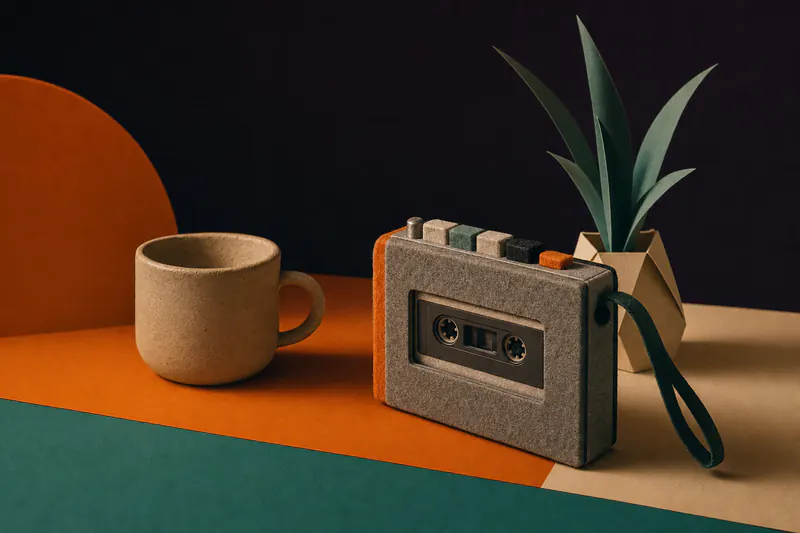 AI lofi generator for dusty study beatsMake lo-fi hip hop from a prompt: 70-90 BPM drums, Rhodes, muted trumpet, vinyl crackle, tape hiss, and loopable study beats for focus with soft keys.
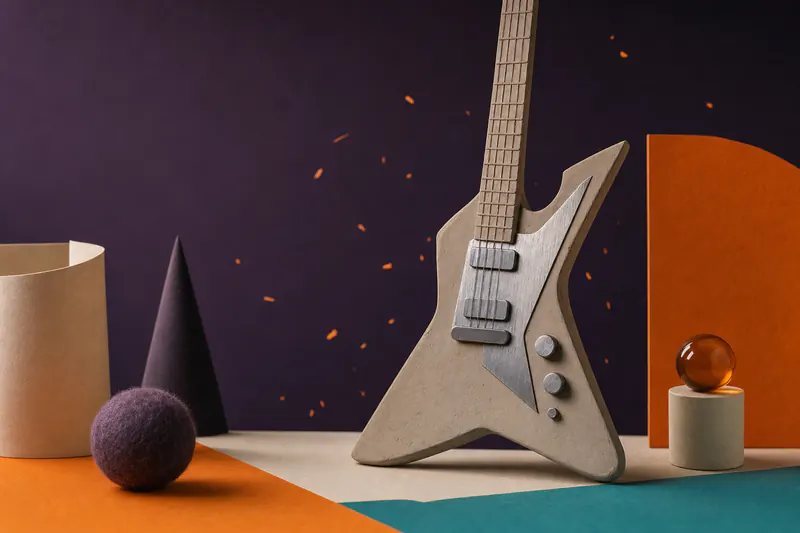 AI metal song generator for riffs, breakdowns, and harsh vocalsCreate metal tracks from lyrics or a style prompt: thrash BPM, doom pacing, metalcore breakdown tags, downtuned guitars and harsh vocal cues.
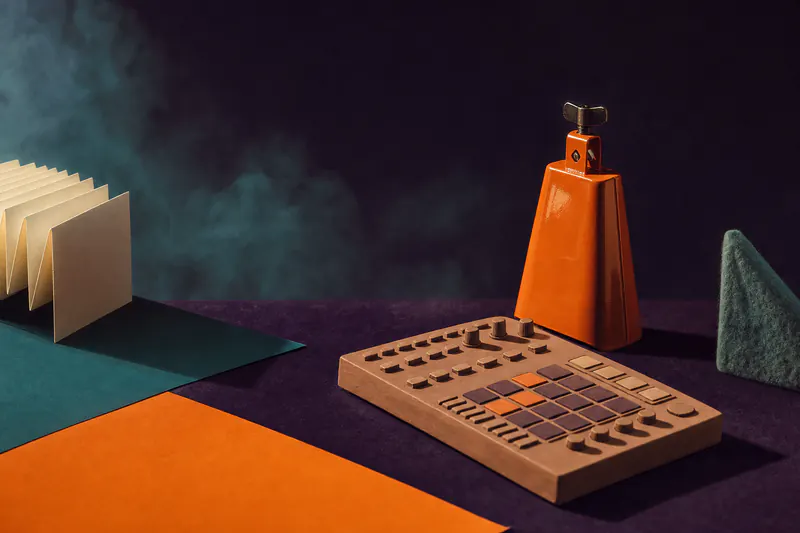 AI phonk generator for drift, Memphis, and cowbell beatsMake phonk from a prompt or lyrics: drift, Memphis, cowbells, 808 slides, chopped vocals, minor keys, and saturated beats for car or gaming edits.
 AI pop song generator for chorus-first tracksCreate pop tracks from lyrics or a short prompt. Set BPM, key, vocal tone, synths or guitars, then get a finished AI song with tight pop hooks.
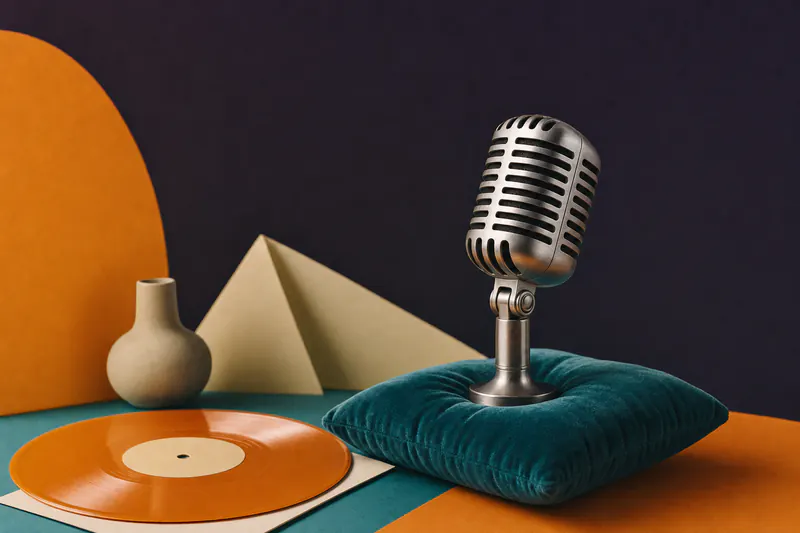 AI R&B song generator for smooth vocals and slow groovesMake modern R&B, neo-soul, or classic soul from a prompt or lyrics. Set BPM, key, vocals, stacked harmonies, ad-libs, and groove for a finished track.
 AI rap song maker for boom bap, trap, and melodic rapMake rap tracks from lyrics or a prompt. Pick boom bap, trap, or lo-fi hip hop cues with BPM, keys, drums, 808s, hooks, and rapped vocal tags.
 AI reggaeton generator for dembow songsMake reggaeton from a prompt or lyrics: dembow drums, Spanish vocals, plucked synths, deep bass, perreo percussion, and Latin pop structure.
 AI rock song generator for riffs, drums and chorusesGenerate rock songs from prompts or lyrics: indie grit, pop punk speed, arena choruses, post-rock builds, guitar solos, drums and bass in one track.
 AI synthwave generator for retro 80s tracksMake 80s synthwave from a prompt: outrun basslines, gated snares, detuned pads, chorus leads, darksynth or dreamwave styles for video and games.
 AI trap generator for 808 beats and full songsGenerate trap songs from prompts or lyrics: 808 glides, half-time snares, hat triplets, dark bells, rap or melodic vocals, mixed into a finished track.
 AI world music generator for Celtic, drone and folk tracksCreate Celtic reels, didgeridoo drones, Andean folk, oud lines and hand percussion from a prompt, with precise BPM, keys and named instruments.
All 20 genre pages at a glance
Use the table to pick one main genre by BPM range, signature instruments, and job.
| Genre | Typical BPM | Signature instruments | Best for |
|---|---|---|---|
| Pop | 95-125 | tight drums, synth bass, piano, stacked hooks | clean choruses, ads, birthday songs |
| Hip-hop | 80-100 | 808s, sampled keys, dry snares | verses, story lyrics, confident voice |
| Trap | 130-160 | rolling hi-hats, 808 slides, dark pads | hype clips, punchy hooks |
| Drill | 138-150 | sliding 808s, sparse bells, snare rolls | cold street energy, clipped flows |
| Phonk | 140-170 | cowbell leads, distorted 808s, Memphis-style drums | car edits, gym cuts, dark loops |
| Rock | 100-150 | electric guitars, live drums, bass amp | band songs, anthems, sports cuts |
| Metal | 140-220 | palm-muted guitars, double kick, growl layers | aggression, gaming, fight scenes |
| Country | 75-120 | acoustic guitar, fiddle, pedal steel | stories, family gifts, road songs |
| Lofi | 65-90 | dusty drums, Rhodes, vinyl noise | study beds, calm videos |
| Electronic | 120-140 | kick, synth bass, arps, risers | dance loops, tech videos |
| K-pop | 100-130 | glossy synths, rap breaks, chant hooks | high-energy pop with switches |
| Reggaeton | 90-100 | dembow drums, plucks, sub bass | dance hooks, summer scenes |
| R&B | 65-95 | electric piano, soft drums, bass guitar | smooth vocals, romance, night scenes |
| Jazz | 80-180 | upright bass, ride cymbal, piano, horns | classy intros, cafe mood |
| Ambient | 50-80 | pads, drones, piano, field tones | meditation, background beds |
| World | 80-130 | hand percussion, oud, kora, flute | travel edits, cultural color |
| Afrobeats | 95-115 | log drums, guitar riffs, shaker, bass | warm grooves, danceable hooks |
| Anime | 150-190 | bright guitars, piano, fast drums, synths | openings, action, character themes |
| Synthwave | 80-115 | analog bass, gated snare, Juno-style pads | retro driving, neon scenes |
| Kids | 90-130 | ukulele, claps, bells, simple drums | lessons, names, playful lyrics |
Pick the genre by the job, not by taste alone
A use case narrows the genre faster than a mood word does. For video background, pick lofi, ambient, synthwave, jazz, or electronic, then ask for fewer vocal parts. For a personal gift, pop, country, R&B, and kids songs give the lyric the most space. For workout tracks, start with phonk, trap, electronic, drill, rock, or metal. For study, avoid busy hi-hats and lead vocals, so lofi or ambient usually wins. For a party track, reggaeton, afrobeats, pop, K-pop, or electronic gives you steady drums and simple hooks.
If you already have lyrics, pick a genre that matches syllable density. Long lines fit hip-hop, drill, country talk-singing, and R&B. Short slogans work better in pop, phonk, electronic, and kids music.
Put the genre first in the style prompt
The first style words carry the most weight, so start with the genre before mood, instruments, or mix notes. Write reggaeton, 96 BPM, dembow drums, warm male vocal, simple chorus instead of summer party emotional dance song with Latin drums. The second version asks for a feeling before it gives the rhythm engine.
Use one main genre and, if needed, one fusion genre. Pop rock is clear. Jazz metal reggaeton ambient trap is not. After the genre, add tempo, vocal type, instruments, structure, and mix texture. A solid order is: genre, BPM, groove, instruments, vocal, lyric theme, mix notes. If your result sounds generic, replace mood words like epic with nouns: floor toms, octave bass, clean chorus guitar, group chant hook.
Tempo words and feel words are not the same thing
BPM controls speed, while feel controls how the beat is counted. A 150 BPM trap beat can feel slow because the snare lands in half-time. A 90 BPM reggaeton track can feel busy because the dembow pattern keeps moving. When you prompt, write both if the groove matters.
Useful pairs:
| You want | Better prompt language |
|---|---|
| Slow but heavy | 150 BPM, half-time drums, long 808 notes |
| Fast and bright | 170 BPM, straight eighth-note guitars, open hi-hats |
| Calm background | 75 BPM, sparse drums, soft Rhodes, no lead vocal |
| Dance pulse | 124 BPM, four-on-the-floor kick, sidechain bass |
Avoid stacking opposites in the same clause. Fast ambient ballad with aggressive double kick and whisper vocal gives the model too many centers.
Fuse genres without asking for a pileup
A clean fusion has one rhythm owner and one color owner. For example, afrobeats with synthwave pads means afrobeats controls drums and bass movement, while synthwave supplies pads and retro leads. metal with trap drums means metal owns guitars and vocal force, while trap shapes the hi-hats and 808s.
Do not fuse two drum systems unless you say which one leads. reggaeton and drill can fight because dembow and drill patterns push different accents. Better: drill track with subtle dembow percussion in the chorus. Keep the vocal lane clear too. kids metal is possible, but ask for playful rock guitars, clean child-safe lyrics, no screams if you want it friendly. Fusions work best when the prompt says what to keep, not just what to combine.
Worked prompt: from vague genre to usable style brief
A vague prompt gives the AI too much room: make a cool workout song, dark, fast, intense.
Use a full style brief instead: phonk, 155 BPM, distorted 808 bass, clipped cowbell melody, hard trap drums, short chant hook, gritty vocal ad-libs, tight low end, no long intro.
This is meant to produce a hard gym track with a repeatable hook and a front-loaded drop. If it comes back too noisy, change distorted 808 bass to controlled 808 bass and add clean master, cowbell lower in the mix. If it sounds too slow, keep 155 BPM but add double-time hi-hats. If the vocal distracts from the beat, replace chant hook with minimal vocal chops. Small edits beat rewriting the whole prompt.
When to leave the listed genres
You can request a genre outside this hub, but the best prompt still uses the same parts: tempo, groove, instruments, vocal, and mix. If you ask for a narrow micro-style, add plain musical anchors so the model knows what to build. Dark cabaret becomes stronger with waltz rhythm, upright piano, brushed snare, theatrical vocal. Cinematic folk becomes stronger with fingerpicked acoustic guitar, low strings, frame drum, restrained vocal.
Use the genre pages when you want a tested starting frame. Use a custom style when the song has a specific scene, character, or instrument palette that does not fit a common lane. The rule stays the same: one main identity first, details after.
Frequently asked questions
How many genres can I combine?
Use one main genre and at most one fusion genre for most prompts. More than that can blur the drums, vocal style, and mix. If you want three influences, make one the genre and turn the others into details, such as rock song with synth bass and jazz piano chords.
Does the genre have to come first in the prompt?
It does not have to, but it usually helps. Put the genre first, then BPM, instruments, vocal type, and mix notes. Lofi, 78 BPM, dusty drums, Rhodes chords is clearer than starting with mood words like sad cozy night track.
Which genre is easiest to get a good result in?
Pop, lofi, hip-hop, and electronic are usually the easiest starting points because their structures are clear. Pop gives you verse and chorus shape. Lofi is forgiving when the arrangement is simple. Hip-hop handles dense lyrics. Electronic works when you need a steady pulse.
Can I request a genre that is not listed?
Yes. Describe the genre with practical music terms instead of only the name. Include BPM, drum pattern, instruments, vocal approach, and mix texture. If the style is obscure, add a familiar anchor like waltz rhythm, four-on-the-floor kick, fingerpicked guitar, or brass section.
What BPM should I choose for a workout track?
For lifting, try 140-170 BPM in phonk, trap, drill, or metal, often with half-time weight. For running or cycling, 120-140 BPM electronic and pop can feel steadier. If the beat feels slow at a high BPM, ask for double-time hi-hats or a busier percussion pattern.
How much does a SoundUser track cost?
A track costs 10 credits and runs up to 180 seconds. The genre choice does not change those placeholders on this page. Use the genre pages to tighten the prompt before you generate, especially if you are writing around a fixed chorus or lyric idea.
What rights do I get for songs I create?
Tracks you create are yours to use in your own projects, including commercial ones, under the SoundUser Terms Keep that statement as the source for usage rights. Do not assume extra rights from a genre name, a prompt style, or a track sounding similar to a known category. If you need legal certainty for a release, get proper advice before publishing.
Keep exploring
- AI phonk generator for drift, Memphis, and cowbell beatsMake phonk from a prompt or lyrics: drift, Memphis, cowbells, 808 slides, chopped vocals, minor keys, and saturated beats for car or gaming edits.
- AI rap song maker for boom bap, trap, and melodic rapMake rap tracks from lyrics or a prompt. Pick boom bap, trap, or lo-fi hip hop cues with BPM, keys, drums, 808s, hooks, and rapped vocal tags.
- AI pop song generator for chorus-first tracksCreate pop tracks from lyrics or a short prompt. Set BPM, key, vocal tone, synths or guitars, then get a finished AI song with tight pop hooks.
- AI rock song generator for riffs, drums and chorusesGenerate rock songs from prompts or lyrics: indie grit, pop punk speed, arena choruses, post-rock builds, guitar solos, drums and bass in one track.
- AI country song generator for story-first tracksMake country songs with AI: pedal steel, Telecaster twang, brushed drums, tight harmonies, and story lyrics from your prompt in a finished track.
- AI lofi generator for dusty study beatsMake lo-fi hip hop from a prompt: 70-90 BPM drums, Rhodes, muted trumpet, vinyl crackle, tape hiss, and loopable study beats for focus with soft keys.
- AI EDM generator for compact electronic tracksGenerate electronic tracks from prompts: house, techno, drum and bass or synthwave with BPM, key, instruments, builds, drops and vocals in one prompt.
- AI K-pop song generator with stacked hooksCreate K-pop style tracks with stacked vocals, rap breaks, dance-pop drums, English hook lines, and key-change choruses from your prompt or lyrics.
- AI reggaeton generator for dembow songsMake reggaeton from a prompt or lyrics: dembow drums, Spanish vocals, plucked synths, deep bass, perreo percussion, and Latin pop structure.
- AI R&B song generator for smooth vocals and slow groovesMake modern R&B, neo-soul, or classic soul from a prompt or lyrics. Set BPM, key, vocals, stacked harmonies, ad-libs, and groove for a finished track.
- AI metal song generator for riffs, breakdowns, and harsh vocalsCreate metal tracks from lyrics or a style prompt: thrash BPM, doom pacing, metalcore breakdown tags, downtuned guitars and harsh vocal cues.
- AI jazz generator for ballads, swing and bossaMake jazz with AI: swing, bossa, ballads, smooth keys, sax solos, brushed drums and upright bass from lyrics or a style prompt. Get a finished track.
- AI ambient music generator for pads, piano and driftGenerate ambient, chillout and downtempo tracks from prompts or lyrics: pads, piano, sub bass, field recordings, slow movement and muted beats.
- AI world music generator for Celtic, drone and folk tracksCreate Celtic reels, didgeridoo drones, Andean folk, oud lines and hand percussion from a prompt, with precise BPM, keys and named instruments.
- AI afrobeats generator for warm, danceable tracksMake afrobeats with AI: 98-110 BPM grooves with shakers, congas, palm-muted guitar, vocals, and finished tracks for dance videos or personal gifts.
- AI drill generator for beats, bass, and vocalsMake drill music with AI: UK, Chicago, or Brooklyn rhythm, sliding 808 bass, sparse kicks, dark piano or strings, and rapped vocals from a prompt.
- AI trap generator for 808 beats and full songsGenerate trap songs from prompts or lyrics: 808 glides, half-time snares, hat triplets, dark bells, rap or melodic vocals, mixed into a finished track.
- AI anime song generator for openings, endings and battle themesMake anime openings, endings, battle themes and insert songs with AI. Set BPM, instruments, vocals and lyrics, then get a finished track from a text prompt.
- AI synthwave generator for retro 80s tracksMake 80s synthwave from a prompt: outrun basslines, gated snares, detuned pads, chorus leads, darksynth or dreamwave styles for video and games.
- AI kids song generator for simple sing-alongsMake kids songs for names, routines, counting, birthdays and class cues. Pick a style, add lyrics or a prompt, and get a finished track ready to preview.
One idea · one finished track
Ready to make your track?
Describe the idea, pick a style, and SoundUser writes, sings and mixes the song.
Start with the generator